Diesel and gasoline engines share many basic maintenance needs. Both depend on clean oil, proper cooling, healthy batteries, good filters, and timely service. The difference is that diesel engines operate in their own way, with much higher compression and fuel systems designed to deliver diesel at extremely high pressure.
That changes what we pay attention to as the miles add up. A diesel truck or car may go a long time without trouble when it is serviced correctly, but skipped fuel-filter changes, incorrect oil, or ignored emissions-system problems can become expensive quickly.
Diesel Engine Oil Has a Tough Job
Diesel engines place heavy demands on their oil. High cylinder pressures, soot from combustion, turbocharger heat, and extended periods under load all affect how the oil ages.
The correct oil specification is especially important. Modern diesels may require low-ash oil designed to work with diesel particulate filters and other emissions equipment. Using an oil that does not meet the required specification can contribute to deposits and shorten the life of emissions components.
At our shop, we also check the oil level instead of assuming everything is fine because the change interval has not arrived. Some diesel problems can cause the level to rise or fall unexpectedly, and either condition deserves attention.
Fuel Filters Are More Important on a Diesel
Diesel fuel systems rely on extremely precise injectors and high-pressure pumps. Dirt or water getting into that system can cause much more than poor performance.
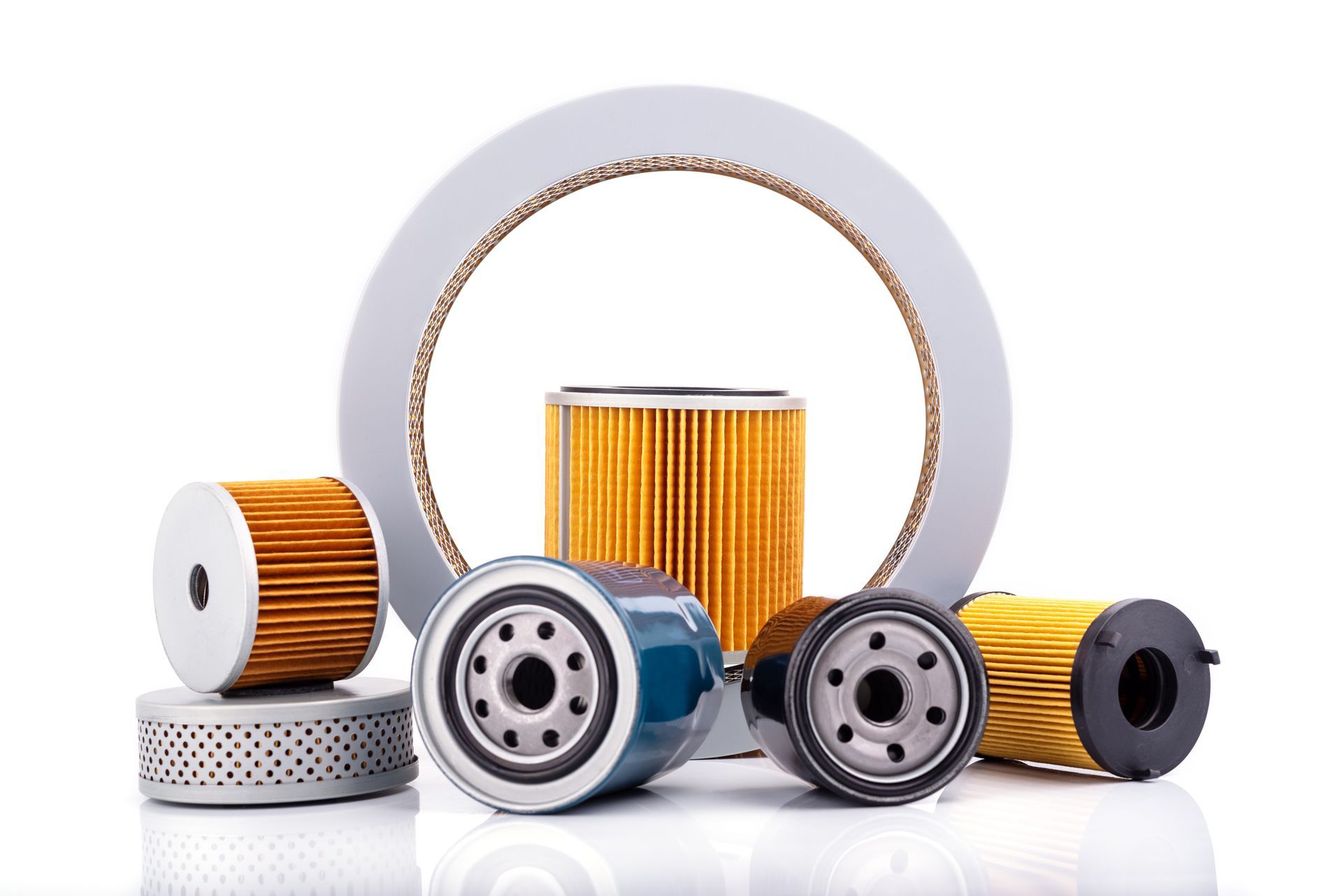
That is why diesel fuel filters deserve close attention. Many diesel vehicles also have a water separator because moisture in the fuel can damage pumps and injectors.
Depending on the vehicle, drivers may need to watch for:
- Hard starting
- Loss of power under load
- Rough running
- A fuel-filter warning
- Water-in-fuel messages
- Longer cranking than normal
- Hesitation during acceleration
A restricted fuel filter can create symptoms that feel like a much larger engine problem. Following the correct replacement interval helps protect components that cost considerably more than the filter itself.
Diesel Emissions Systems Need Their Own Attention
Modern diesel engines use emissions equipment that gasoline engines either do not have or use differently. Diesel particulate filters, or DPFs, trap soot from the exhaust and periodically burn it off during regeneration.
Many diesels also use selective catalytic reduction systems with diesel exhaust fluid, along with EGR components and specialized sensors. Short trips and extended low-speed driving can sometimes make it harder for the DPF to complete regeneration.
If the vehicle begins showing a DPF warning, reduced-power message, or repeated regeneration issue, we do not automatically assume the filter needs replacement. Sensor problems, exhaust leaks, thermostat faults, injector issues, and driving conditions can all affect how the system operates.
Turbocharger Care Is Especially Important
Many modern diesel engines use turbochargers to produce strong torque while keeping engine size reasonable. The turbo spins at extremely high speed and depends on a steady supply of clean engine oil.
Oil that is badly overdue, contaminated, or incorrect for the engine can contribute to turbocharger wear. We also inspect boost hoses, intercooler connections, and oil supply or drain lines when a diesel has lost power or developed unusual turbo noise.
A split charge-air hose can make a diesel feel weak and may create black smoke under acceleration. That can look serious from the driver's seat even though the engine itself may still be mechanically healthy.
Glow Plugs Replace the Spark Plugs You Expect on Gas Engines
Gasoline engines use spark plugs to ignite the air-fuel mixture. Diesel engines rely on heat created by compression, so they do not use conventional ignition spark plugs.
Many diesels use glow plugs to help with cold starting. A failed glow plug or control module may cause longer cranking, rough startup, or white smoke when the engine is cold.
Glow plugs are not typically serviced at the same intervals as gasoline spark plugs. We test them when symptoms or fault codes point in that direction rather than treating them as routine tune-up parts.
Cooling and Battery Condition Still Matter
Diesel engines may be different internally, but several familiar maintenance items remain just as important. Coolant protects the engine from overheating and corrosion, while the battery and charging system have to provide enough power to crank a high-compression engine.
Diesels can be especially demanding on batteries during cold starts. Trucks with two batteries need both checked because one weak battery can strain the other.
Regular maintenance should also include tires, brakes, belts, hoses, transmission service, and driveline fluids where required. Owning a diesel does not mean every service is unique. It means the engine and fuel system have additional needs that shouldn't be treated like those on a gasoline vehicle.
Get Diesel Maintenance In Greenville, NC, With Bells Fork Truck and Auto Service
If your diesel truck or car is due for service, Bells Fork Truck and Auto Service in Greenville, NC, can check the oil, fuel filters, emissions system, turbocharger, cooling system, batteries, and other maintenance items specific to your vehicle.