An overdue oil change does not always make the engine complain right away. The car may start normally, idle fine, and get through another week of errands without any strange sounds under the hood.
That quiet stretch can be misleading.
Engine oil works every second the engine is running. It lubricates moving parts, helps manage heat, carries contaminants to the filter, and protects tight internal passages. When oil gets too old, too dirty, or too low, the engine can lose protection long before the driver notices a major symptom.
Old Oil Loses Its Ability To Protect
Fresh oil creates a thin film between moving metal parts. That film helps protect bearings, camshafts, pistons, timing components, and other internal parts from direct contact.
As oil ages, heat and contaminants change it. Fuel residue, moisture, soot, and tiny metal particles build up over time. The oil may thicken, break down, or stop flowing as well through small passages.
Once that happens, the engine has to work with less protection. Wear can increase slowly at first, then become more serious as the oil continues to age. Waiting too long turns a simple service into a risk for expensive internal damage.
The Oil Filter Can Become Overloaded
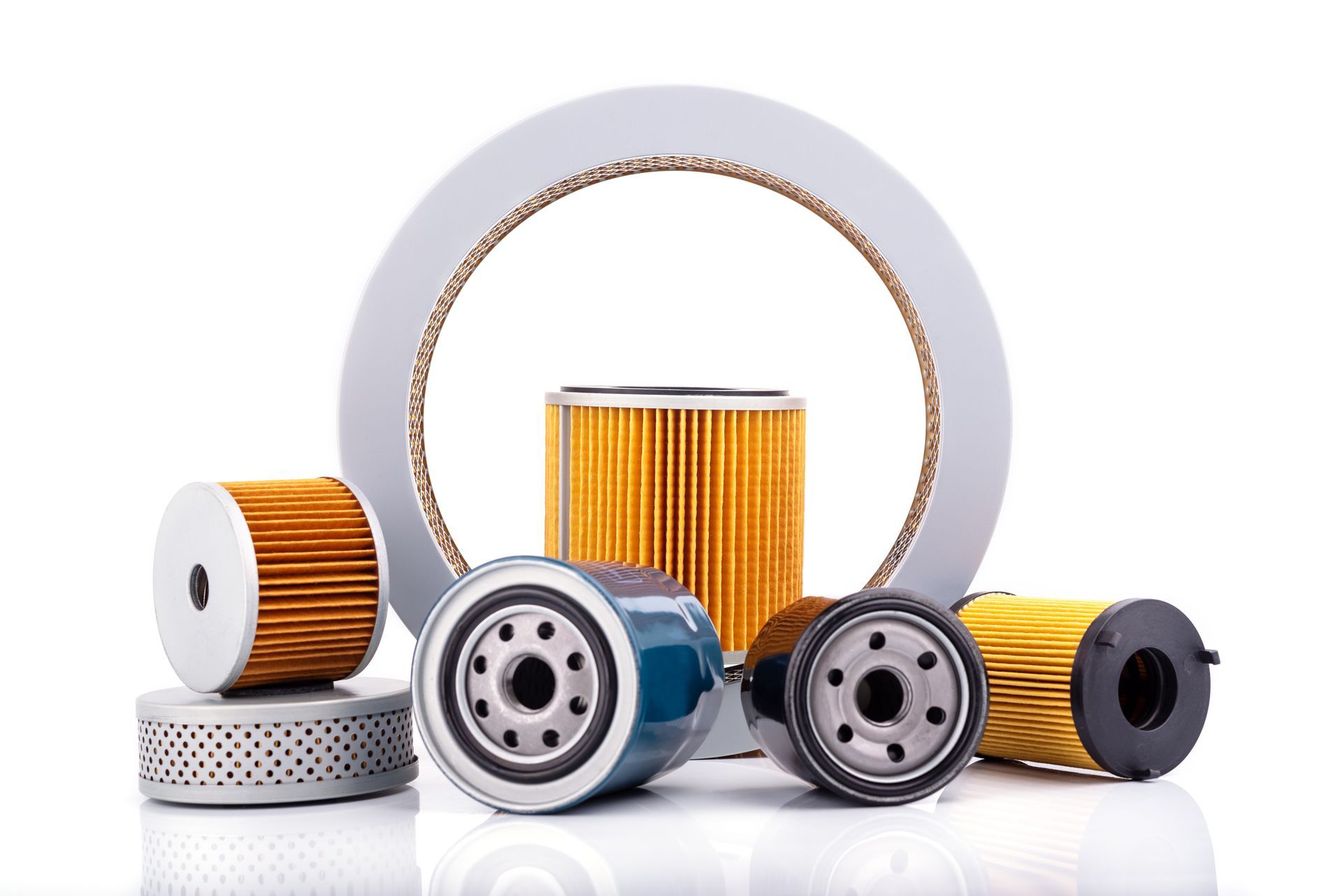
The oil filter catches particles and debris that should not circulate through the engine. It is designed to work for a certain amount of time and mileage. When the oil change interval gets stretched too far, the filter can become overloaded.
A restricted or dirty filter may not clean the oil as effectively. Some filters have a bypass valve that allows oil to continue flowing if the filter becomes too restrictive. That helps prevent oil starvation, but it also means dirty oil may continue circulating through the engine.
A quality filter matters, but even a good filter cannot do its job forever. Oil and filter replacement belong together for a reason.
Sludge Can Start Building Inside The Engine
Old oil can leave sludge and varnish inside the engine. Sludge is a thick, sticky buildup that can collect in areas where clean oil should flow freely. Varnish can coat internal parts and affect how oil-controlled systems respond.
Modern engines often use oil pressure to operate variable valve timing and other systems. Dirty oil can slow those parts down or cause warning lights when the computer sees timing changes outside the expected range.
Sludge does not appear overnight. It builds from repeated neglect, short trips, poor oil quality, overheating, or long oil change intervals. Once it is there, a single oil change may not fix the problem.
Low Oil Can Make Damage Happen Faster
Waiting too long for an oil change can be worse if the engine is also low on oil. Some vehicles burn oil as they age. Others leak from gaskets, seals, oil filter housings, oil pans, or drain plugs.
A clean driveway does not prove the oil level is safe. Oil can collect on splash shields, blow backward under the vehicle, or burn off on hot engine parts. A faint burnt-oil smell after driving can be the first clue.
Check the oil level between services, especially on higher-mileage vehicles. If the level keeps dropping, the cause should be identified during an inspection rather than handled with repeated top-offs.
Fuel Economy And Performance Can Drop
Dirty oil increases friction inside the engine. It can also affect oil-controlled parts that help the engine breathe and run efficiently. The change may be subtle, but the vehicle may feel less responsive or use more fuel than usual.
Short trips can make the problem worse because the engine may not stay hot long enough to burn off moisture and fuel residue in the oil. Over time, that contamination can reduce oil quality faster than mileage alone suggests.
Regular maintenance helps keep the engine working with clean oil and a fresh filter. It also gives the shop a chance to catch leaks, worn belts, low fluids, and other small issues while the vehicle is already in for service.
Warning Lights Are A Late Clue
An oil change reminder tells you service is due. An oil pressure warning is much more serious. If the oil pressure light comes on while driving, pull over safely and shut the engine off. The engine may not be getting enough oil pressure to protect itself.
A low oil level warning should also be handled quickly. Adding oil may help if the level is low, but it does not explain why the engine got low in the first place.
Do not wait for a warning light to tell you oil service is overdue. By the time the dashboard gets involved, the engine may already be operating outside its safe range.
Get Oil Change Service In Greenville, NC, With Bells Fork Truck and Auto Service
If your vehicle is overdue for an oil change, using oil between services, or showing signs of leaks, Bells Fork Truck and Auto Service in Greenville, NC, can service it with the correct oil and filter while checking for early engine concerns.
Schedule a visit and keep old oil from turning a basic maintenance service into a larger engine repair.